ON THIS DAY
15 October
1842. The first issue of The Nation
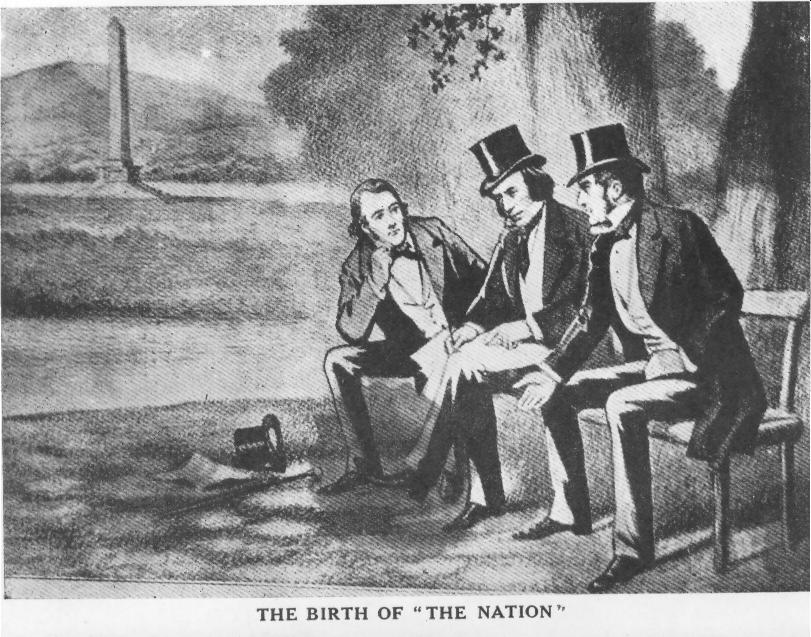
A later drawing of Davis, Duffy and Dillon in the Phoenix Park. The pillar is the Wellington Testimonial. The picture illustrates the story of the founding. It was not made on 15 October 1842.
On Saturday 15 October 1842 the first issue of The Nation appeared in Dublin. Thomas Davis, Charles Gavan Duffy and John Blake Dillon wanted a paper that would help make Ireland think of itself as a nation. Duffy, who had worked on newspapers, was proprietor and editor. Davis wrote most of the leading articles. Dillon was the third voice. Davis was a Protestant, Dillon a Catholic, and Duffy a Catholic from Monaghan. They began inside Daniel O’Connell’s Repeal movement. The younger men later broke with him. The circle became known as Young Ireland. Some of them were in the attempted rising of 1848.
The paper used history, songs and biography as political argument. Davis wrote “A Nation Once Again” and “The West’s Asleep.” He wanted a nationality that took in Protestant, Catholic and Dissenter, in the manner of the United Irishmen. The effort did not win many Protestants. It still left a language later movements used. Davis did not live to see it. He died of scarlet fever on 15 September 1845, aged thirty. No shot was fired on the day the paper appeared. A way of telling Ireland’s story had begun.
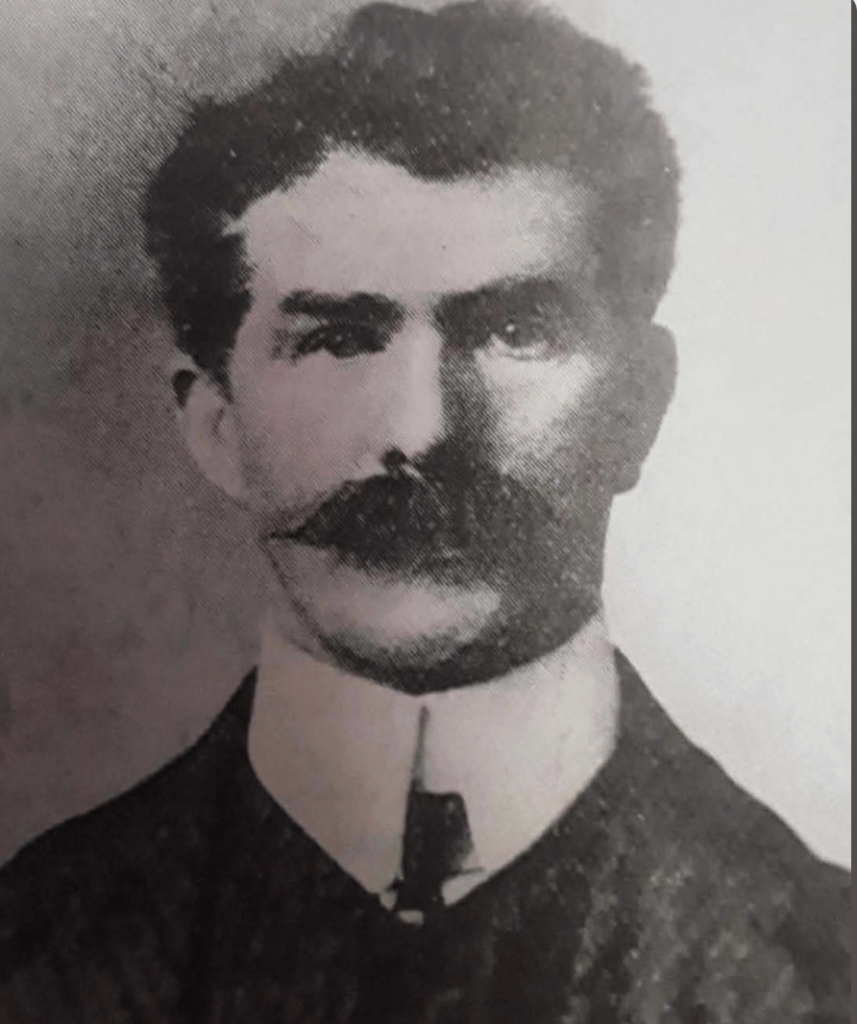
Patrick Joyce
1920. Patrick Joyce is taken from his house
On 15 October 1920 Patrick Joyce, a schoolteacher at Barna in County Galway, was taken from his home by the IRA. He did not come back. Letters he was sending to the RIC had been intercepted. A copy of one of them survives in the Mulcahy papers. It named local republican activity. IRA men went into his school and took samples of his handwriting to compare with the letters. Micheál Ó Droighneáin sent the material to Dublin and asked for instructions. The decision to proceed was then taken locally. Joyce was tried by an IRA court martial, sentenced to death, shot, and buried in secret.
He was a civilian. There was no ordinary court. When he was missed, Auxiliaries searched the district. People were threatened and beaten, and notices warned that others would suffer unless he was returned. The case is not an ambush between armed men. The evidence that he had written to the police is real. That does not make the killing a trial.
1922. The amnesty ends
On 15 October 1922 the amnesty offered on 3 October ran out. Men still in arms against the Free State were told they could hand in their weapons by this day and be pardoned. The same day, the emergency powers proclaimed on 10 October by W. T. Cosgrave and Richard Mulcahy came into effect. Military courts could now try specified offences, including with a sentence of death. Nobody was executed under those powers on this date. The first of those executions came in November.
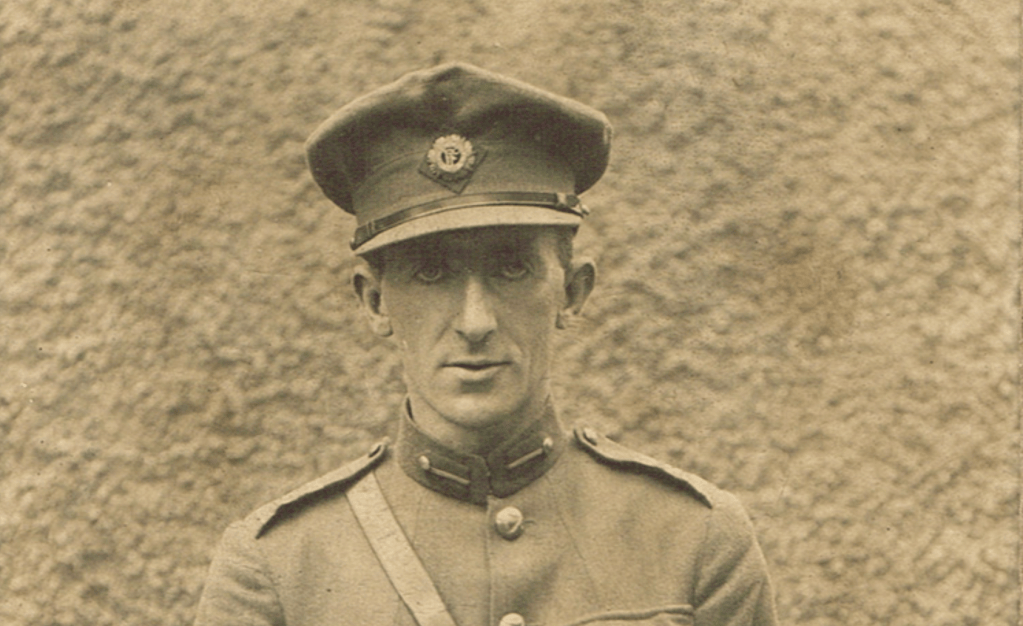
Richard Mulcahy
References:
Comerford, R.V. (1985) The Fenians in Context: Irish Politics and Society, 1848–82. Dublin: Wolfhound Press.
Dictionary of Irish Biography (2009) ‘Dillon, John Blake’. Royal Irish Academy. DIB — John Blake Dillon
Dictionary of Irish Biography (2009) ‘Duffy, Sir Charles Gavan’. Royal Irish Academy. DIB — Charles Gavan Duffy
Kavanagh, E. (2022) The Irish War of Independence (1919–1921) in County Galway: Local Histories, Memories & Post-Conflict Heritage Initiatives. PhD thesis. Read the thesis and reproduced Joyce material
Leeson, D.M. (2011) The Black and Tans: British Police and Auxiliaries in the Irish War of Independence, 1920–1921. Oxford: Oxford University Press.
McGee, O. (2005) The IRB: The Irish Republican Brotherhood from the Land League to Sinn Féin. Dublin: Four Courts Press.
O’Halpin, E. and Ó Corráin, D. (2020) The Dead of the Irish Revolution. New Haven: Yale University Press.


Leave a comment