ON THIS DAY
19 October
1918. Sinn Féin states the alternative
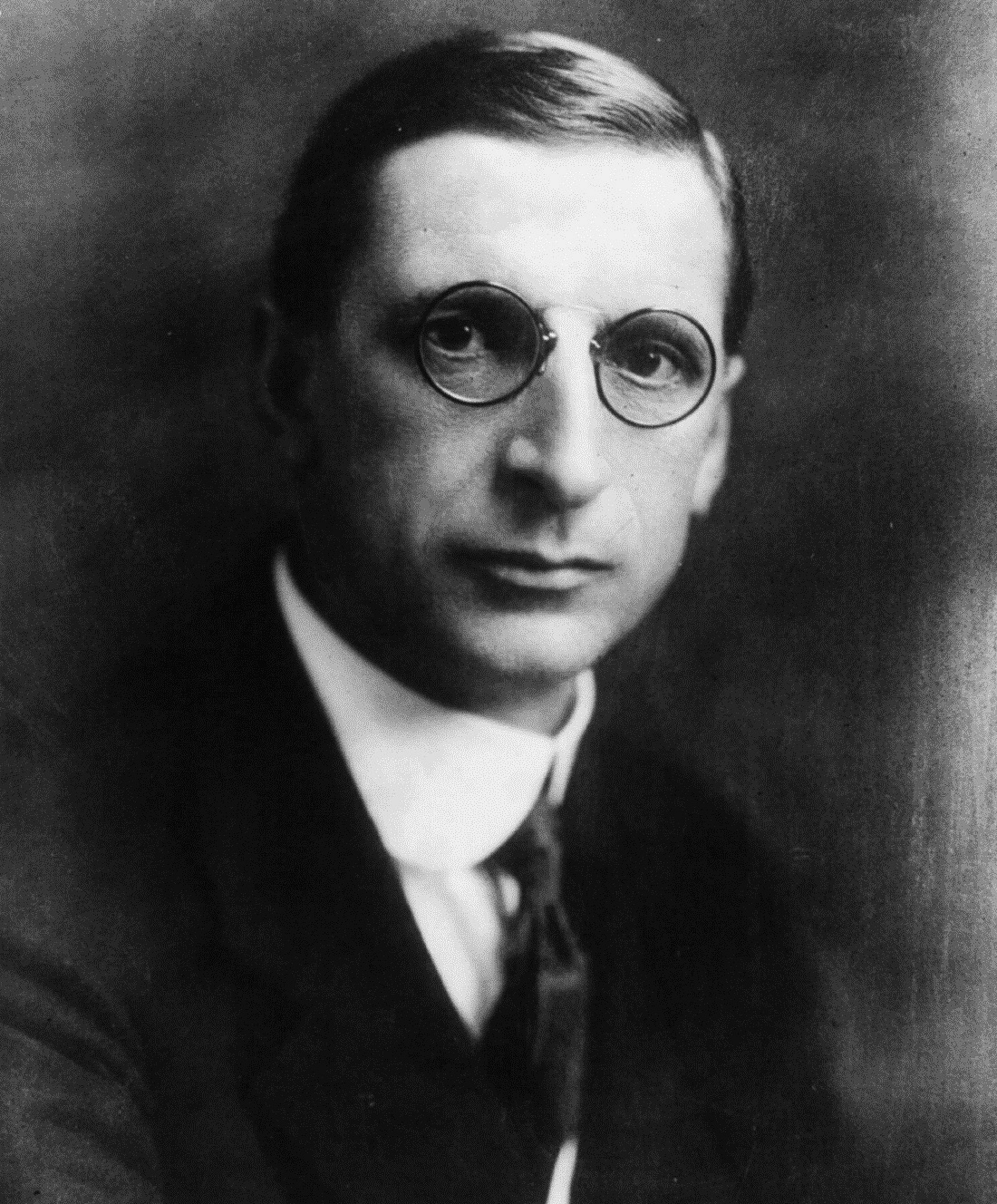
Éamon de Valera, president of Sinn Féin since October 1917. The Rising had not been a Sinn Féin operation. By 1918 the party was the vehicle for the republic.
By 19 October 1918 the election policy of Sinn Féin was already plain. It was not to win seats and then argue at Westminster. The programme, as later set out in the manifesto for the December election, had four parts. Establish an Irish republic. Withdraw Irish representatives from the British parliament. Make a constituent assembly of the members Ireland elected. Appeal to the Peace Conference for recognition of independence. Abstention was the means. The assembly was the point. John Dillon’s Irish Party still offered the older road: stay at Westminster, and defend the record that had put Home Rule on the statute book in 1914, suspended for the war.
The election was on 14 December. Sinn Féin won most of the island outside the north-east. The members who could attend met in the Mansion House on 21 January 1919 and called themselves Dáil Éireann. That was not certain on this day in October. It was the plan being put to the voters.
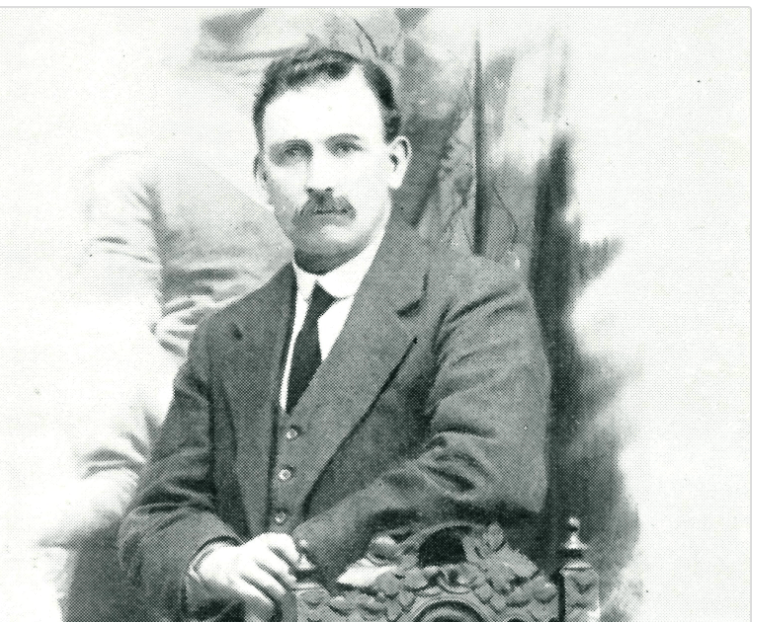
Michael Walsh
1920. Floggings are reported, and a man is killed in Galway
On 19 October 1920 the papers were carrying allegations from County Galway. They were not all said to have happened on this day. On the night of 16 October, two lorry-loads of uniformed men were reported to have taken Thomas and Martin Feeney at Corbally and flogged them with a rope. The same night, Patrick Raftery of Corofin was reported to have been flogged. On the evening of 17 October, men were reported to have been stripped and whipped outside Varden’s public house at Cummer. Michael Welby and a Miss Glynn were reported shot and wounded there. On 21 October Sir Hamar Greenwood told the Commons he did not accept the allegations, and that an inquiry was being made.
That same night, 19 October, Michael Walsh was killed in Galway city. It was alleged that police had taken him from his house. A military court of inquiry was opened. Greenwood would not yet say what had happened. The same argument already included Tom Hales and Patrick Harte, captured in Cork in July, who said they had been beaten and that pincers had been used on them. The government denied that this was its policy. The allegations were in the open. They were not yet findings.
References:
Farrell, B. (1971) The Founding of Dáil Éireann: Parliament and Nation Building. Dublin: Gill and Macmillan.
Laffan, M. (1999) The Resurrection of Ireland: The Sinn Féin Party, 1916–1923. Cambridge: Cambridge University Press.
Townshend, C. (2013) The Republic: The Fight for Irish Independence, 1918–1923. London: Allen Lane.
RTÉ/Century Ireland (2018) ‘Sinn Féin and Irish Party set out rival election manifestos’. Available at: https://www.rte.ie/centuryireland/articles/sinn-fein-and-irish-party-set-out-rival-election-manifestos (Accessed: 28 September 2026).
RTÉ/Century Ireland (2019) ‘Partition looms as committee established to find Irish solution’. Available at: https://www.rte.ie/centuryireland/articles/partition-looms-as-british-cabinet-committee-established-to-find-irish-solu (Accessed: 28 September 2026).
RTÉ/Century Ireland (2020) ‘Allegations of torture of citizens and prisoners by crown forces’. Available at: https://www.rte.ie/centuryireland/articles/allegations-of-torture-of-citizens-and-prisoners-by-crown-forces (Accessed: 28 September 2026).


Leave a comment