ON THIS DAY
1 October
1798. An amnestied rebel is killed in front of his mother

A nineteenth-century illustration of the rebellion. No portrait of Thomas Dogherty is known.
On the morning of 1 October 1798, Thomas Dogherty was shot dead at his mother’s cabin near the churchyard in Delgany, County Wicklow. The pitched battles were over, but armed yeomen were still hunting suspected rebels. In July, Dogherty had been tried at Slane with fifteen other men, convicted of sedition and sentenced to death. Elizabeth La Touche, wife of the local magistrate and landowner Peter La Touche, obtained his pardon. He was at home, and he was unarmed.

Lord Cornwallis, Lord Lieutenant of Ireland, who condemned the verdict.
Hugh Woolaghan of the Newtownmountkennedy yeomanry arrived with Charles and James Fox and demanded to know if rebels were in the house. Mary Dogherty said there was only her sick son. Thomas asked to be taken before Peter La Touche. Woolaghan refused, fired, and wounded him in the arm. He left, then returned. Mary tried to persuade him that her son was already dead. Woolaghan shot Thomas again as he lay in her arms. At a court martial in Dublin Barracks on 13 October, the court found that Woolaghan had killed Dogherty, but acquitted him of murder. Cornwallis called it a most cruel and deliberate murder, dissolved that court, barred its members from the court martial called to replace it, and forbade Woolaghan from serving again in the yeomanry, the militia or the army.
1917. Ireland reacts to the funeral of Thomas Ashe

Thomas Ashe, who had commanded the Volunteers at Ashbourne in 1916.
The funeral was on Sunday 30 September, not on 1 October. Ashe had died on 25 September after being forcibly fed on hunger strike in Mountjoy. The procession to Glasnevin was one of the largest Dublin had seen since the funeral of Charles Stewart Parnell. Some estimates put the crowd at about 40,000. Volunteers, Cumann na mBan, and nationalist, cultural and labour bodies marched. After volleys were fired, Michael Collins gave the short oration at the grave.

Ashe’s grave at Glasnevin Cemetery.
What belongs to 1 October is the reaction. That morning the Irish Times, a paper of the unionist establishment, reported the scale of the procession and noted that constitutional nationalists had marched with republicans. Its editorial treated Ashe’s death as a political defeat for the administration and as a gain for Sinn Féin. The Rising had been crushed eighteen months earlier. Executions, imprisonment, and now the death of a prisoner under forcible feeding were building a new republican martyrdom, and the funeral had shown how disciplined the movement had become.
1920. The British Cabinet confronts the reprisals

Balbriggan after the reprisal of 20 September 1920.
On 1 October 1920 the Cabinet in London discussed Ireland with Sir Hamar Greenwood, the Chief Secretary, and General Sir Nevil Macready. September had been severe. At Balbriggan on 20 September, Head Constable Peter Burke was shot dead and his brother, Sergeant William Burke, was badly wounded. Burke was reported to be about to become a District Inspector. That night Crown forces burned homes and businesses in the town and killed two local men. At Trim, the capture and burning of the RIC barracks was followed by another reprisal.
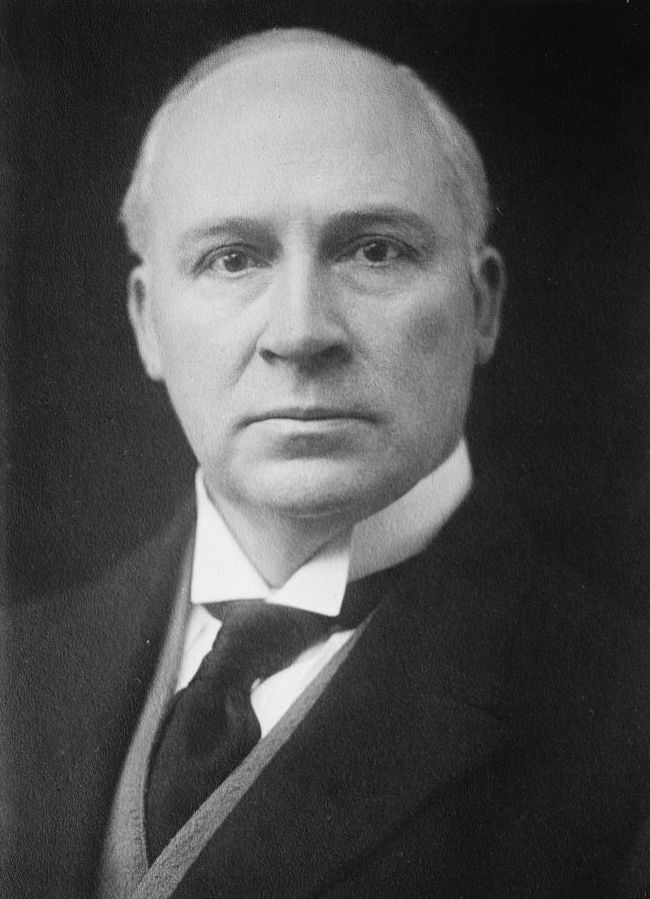
Sir Hamar Greenwood, Chief Secretary for Ireland, who attended the Cabinet that day.
Macready told ministers that accounts of reprisals had been exaggerated, and that some had followed immediately on attacks in which policemen had been killed or wounded. The Cabinet still agreed that the burning of houses in reprisal should be stopped as soon as possible. It was not stopped. By the autumn of 1920 the behaviour of the RIC, the Black and Tans, the Auxiliaries and the army had become part of the political problem. Reprisals were creating hostility in Ireland and scrutiny abroad.
References:
Footnotes
- Raughter, R. (2020) ‘The killing of Thomas Dogherty in Delgany in 1798’, Wicklow Heritage, 26 April. Available at: https://delganyheritagevillage.wicklowheritage.org/people/the-killing-of-thomas-dogherty-in-delgany-in-1798 (Accessed: 27 September 2026).
- By Authority. The Genuine Trial of Hugh Woolaghan, Yeoman, by a General Court-Martial, Held in the Barracks of Dublin, on Saturday, October 13, 1798, for the Murder of Thomas Dogherty (1798). Dublin: J. Milliken, pp. 3–5. Available at: https://books.google.com/books?id=2CZcAAAAQAAJ (Accessed: 27 September 2026).
- By Authority. The Genuine Trial of Hugh Woolaghan (1798); Raughter, R. (2020), ‘The killing of Thomas Dogherty in Delgany in 1798’.
- Gibney, J. and Laragy, G. (2017) ‘One day in Glasnevin Cemetery, 30 September 1917’, Century Ireland. Available at: https://www.rte.ie/centuryireland/articles/one-day-in-glasnevin-cemetery-30-september-1917 (Accessed: 27 September 2026).
- The Irish Times (1917) ‘The funeral of Mr Thomas Ashe’, 1 October, as reproduced in McGreevy, R. (2017) ‘How The Irish Times reported the death of Thomas Ashe 100 years ago’, The Irish Times, 25 September. Available at: https://www.irishtimes.com/culture/heritage/how-the-irish-times-reported-the-death-of-thomas-ashe-100-years-ago-1.3233478 (Accessed: 27 September 2026).
- The Irish Times (1917) Editorial, 1 October, reproduced in McGreevy, R. (2017), ‘How The Irish Times reported the death of Thomas Ashe 100 years ago’.
- Century Ireland (2020) ‘British cabinet told that reprisal allegations in Ireland are exaggerated’, RTÉ/Century Ireland, datelined London, 2 October 1920. Available at: https://www.rte.ie/centuryireland/articles/british-cabinet-told-that-reprisal-allegations-in-ireland-are-exaggerated (Accessed: 27 September 2026).
- Century Ireland (2020), ‘British cabinet told that reprisal allegations in Ireland are exaggerated’. References Primary sources By Authority. The Genuine Trial of Hugh Woolaghan, Yeoman, by a General Court-Martial, Held in the Barracks of Dublin, on Saturday, October 13, 1798, for the Murder of Thomas Dogherty (1798). Dublin: J. Milliken. Available at: https://books.google.com/books?id=2CZcAAAAQAAJ (Accessed: 27 September 2026). The Irish Times (1917) ‘The funeral of Mr Thomas Ashe’, 1 October. The Irish Times (1917) Editorial, 1 October. Secondary sources Gibney, J. and Laragy, G. (2017) ‘One day in Glasnevin Cemetery, 30 September 1917’, Century Ireland. Available at: https://www.rte.ie/centuryireland/articles/one-day-in-glasnevin-cemetery-30-september-1917 (Accessed: 27 September 2026). McGreevy, R. (2017) ‘How The Irish Times reported the death of Thomas Ashe 100 years ago’, The Irish Times, 25 September. Available at: https://www.irishtimes.com/culture/heritage/how-the-irish-times-reported-the-death-of-thomas-ashe-100-years-ago-1.3233478 (Accessed: 27 September 2026). Raughter, R. (2020) ‘The killing of Thomas Dogherty in Delgany in 1798’, Wicklow Heritage, 26 April. Available at: https://delganyheritagevillage.wicklowheritage.org/people/the-killing-of-thomas-dogherty-in-delgany-in-1798 (Accessed: 27 September 2026). RTÉ/Century Ireland (2020) ‘British cabinet told that reprisal allegations in Ireland are exaggerated’, Century Ireland. Available at: https://www.rte.ie/centuryireland/articles/british-cabinet-told-that-reprisal-allegations-in-ireland-are-exaggerated (Accessed: 27 September 2026).


Leave a comment