ON THIS DAY
20 October
1920. Kevin Barry is sentenced to death

Kevin Barry, aged eighteen, a medical student at University College Dublin.
On 20 October 1920 Kevin Barry was sentenced to death by a general court martial in Dublin. A month earlier, on 20 September, the Dublin Brigade had tried to take rifles from a party of the Duke of Wellington’s Regiment collecting bread at Monk’s Bakery in Upper Church Street. Firing broke out. Private Washington was killed at the scene. Privates Whitehead and Humphries were mortally wounded and later died. Barry’s pistol jammed. He was captured there. He was eighteen. He alleged that he was threatened and beaten when he would not name the other Volunteers. Those are his allegations. They are not a finding of the court.
He was charged with the murder of all three. He refused a lawyer, refused to recognise the court, and made no statement. The Whitehead charge was taken first. Two soldiers identified him as one of the men who fired. A bullet taken from Whitehead’s body matched the ammunition in Barry’s pistol. He was found guilty of that murder. The other two charges were not proceeded with. The sentence was hanging. Appeals for a reprieve failed, in Dublin and in London, partly because a reprieve was thought likely to damage the morale of soldiers and police. He was hanged in Mountjoy at 8 a.m. on 1 November. He was the first man hanged in Ireland for the war since the executions of May 1916, and the first under the Restoration of Order in Ireland Act. On this day he was still alive, under sentence.
The same day, Westminster argues about reprisals
On 20 October 1920, while Barry was being sentenced, Arthur Henderson moved a censure motion in the House of Commons. It condemned lawlessness in Ireland and demanded an inquiry into reprisals by Crown forces. The debate ran for hours. Sir Hamar Greenwood answered that police and soldiers were being ambushed and killed, and that unauthorised reprisals were not government policy. The critics answered that servants of the state were still bound by the law. The Lords debated the same question. Former Chief Secretary James Bryce compared the reprisals with the conduct of Crown forces in 1798. Neither speech proves a particular burning or flogging. Together they show that the conduct of the Crown forces had become a British political crisis on the day an Irish prisoner was sentenced to hang.
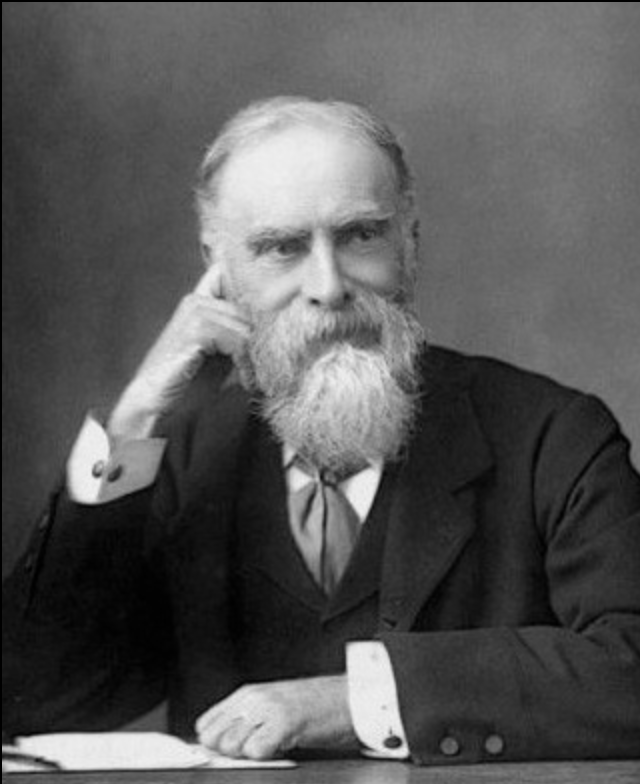
James Bryce


Leave a comment