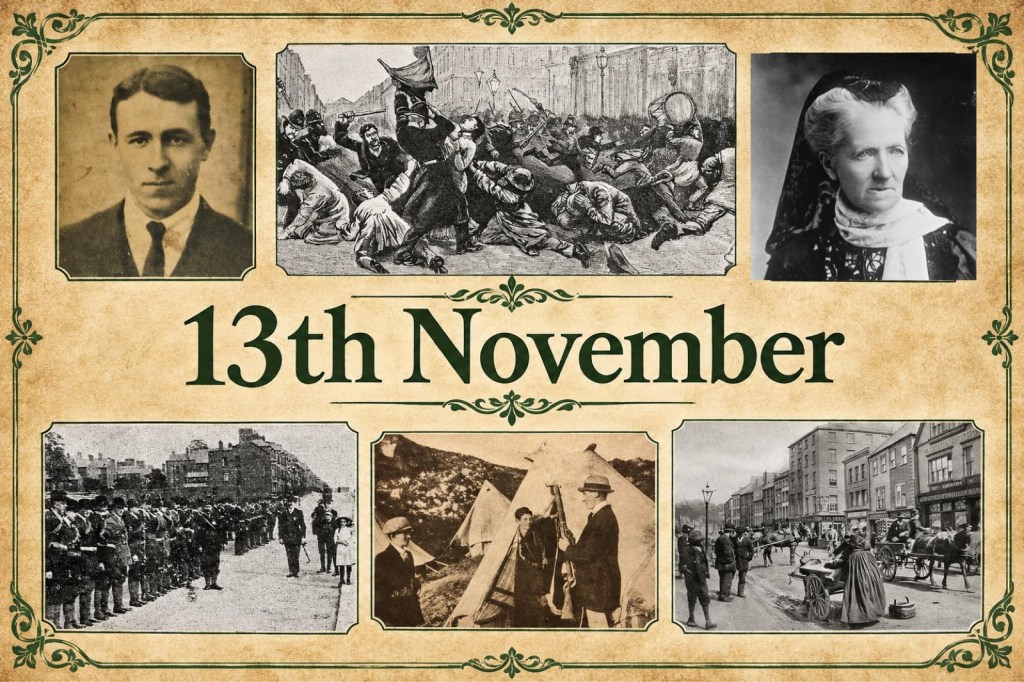
1887 — Bloody Sunday in Trafalgar Square
On 13 November 1887, thousands of demonstrators converged on Trafalgar Square in London to protest against unemployment, restrictions on public meetings and British policy in Ireland. The demonstration was organised by groups including the Social Democratic Federation, Socialist League and Irish National League. Police and troops moved against the crowds, and the confrontation became known as Bloody Sunday. London Museum records that three people died and more than 200 were injured.
The Irish dimension was important. Many working-class Londoners involved were Irish migrants, while opposition to coercion in Ireland formed part of the demonstration’s political background. The event helped link Irish nationalist agitation with the growing British labour and socialist movements of the late nineteenth century.
1920 — The Galbally Ambush
On 13 November 1920, the IRA’s 3rd Tipperary Brigade flying column under Dinny Lacey ambushed an RIC patrol travelling between Galbally and Bansha at Lisnagaul, near Inches Cross in the Glen of Aherlow. Four policemen were killed and several others wounded before the survivors surrendered. IRA accounts record that the police weapons were captured and the lorry was then burned.
Reprisals followed in Tipperary town, where businesses and houses were damaged or burned, including the premises of Sinn Féin TD P.J. Moloney. The episode is a stark example of the escalating cycle of ambush and reprisal that characterised the War of Independence by late 1920.
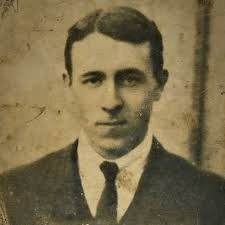
1921 — The Ulster Imperial Guards Parade in Belfast
On 13 November 1921, the Ulster Imperial Guards held a series of church parades across Belfast, publicly demonstrating the strength of the new loyalist paramilitary organisation. The Guards had emerged from the Ulster Ex-Servicemen’s Association and recruited heavily among Protestant ex-servicemen and former UVF members. Thousands reportedly took part in the parades.
Their emergence reflected the continuing fear among unionists that the Treaty negotiations might alter Northern Ireland’s position or boundaries. The Guards were later partly absorbed into the Ulster Special Constabulary, showing how informal loyalist mobilisation overlapped with the developing security structures of the Northern state.
1922 — Ambush at Dalkey
On 13 November 1922, a twelve-man anti-Treaty IRA Active Service Unit from the South Dublin Brigade attacked a seven-man National Army patrol on Ulverton Road, Dalkey. Corporal Samuel Webb was killed, as was a civilian identified as Manning.
The attack formed part of the continuing low-level guerrilla campaign in and around Dublin during the Civil War. Recent research shows that Dublin remained the deadliest county of the conflict, with frequent ambushes, shootings and arrests continuing into late 1922.
1922 — Charles Boyce Killed in Waterford
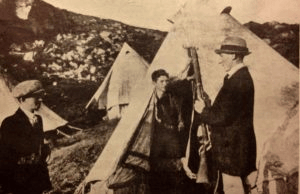
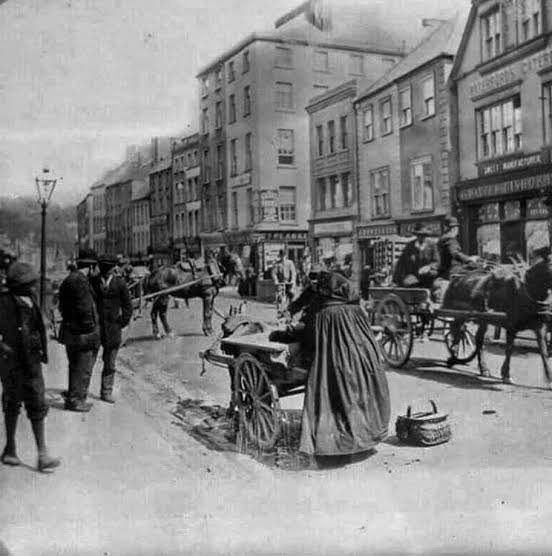
Also on 13 November 1922, Charles Boyce, the son of a pawnbroker in Michael Street, Waterford, was shot dead during a confrontation in his father’s shop with three men believed to be anti-Treaty republicans.
The circumstances were less clear-cut than a conventional military engagement, and the safest description is that he was killed during a violent confrontation involving suspected anti-Treaty men rather than presenting the precise motive as established fact.
1939 — Death of Charlotte Despard
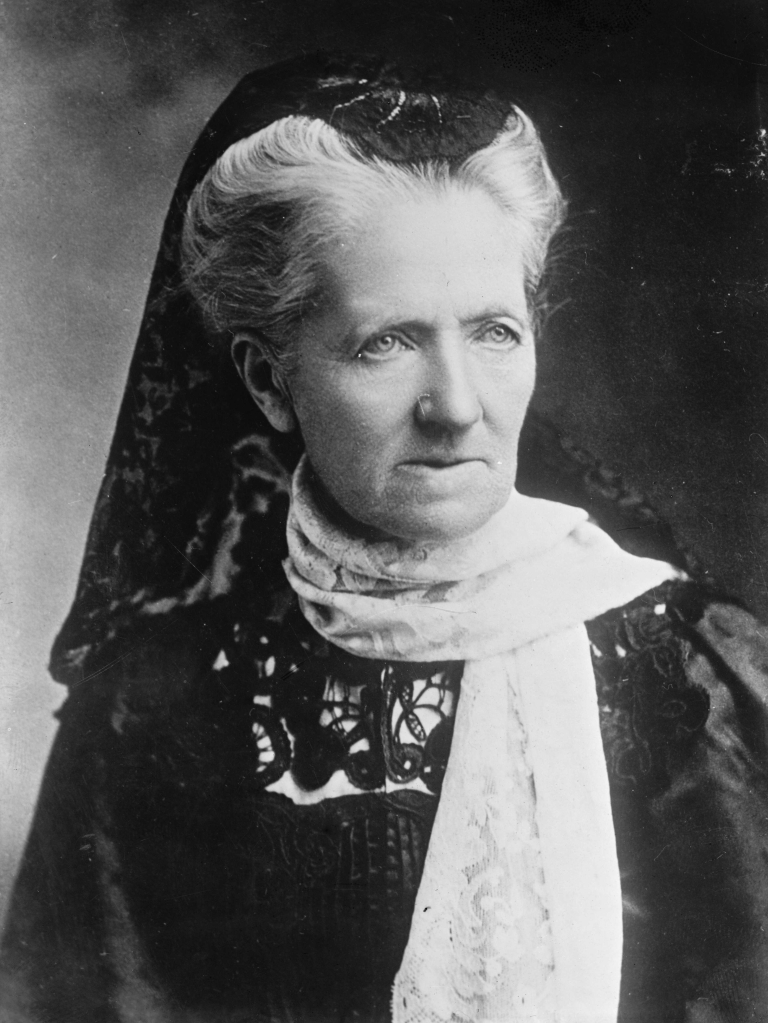
On 13 November 1939, Charlotte Despard died in hospital following a fall at her home. Born in England in 1844, she became a prominent suffragist, socialist and Irish nationalist, and was the sister of Field Marshal Lord French, the former Lord Lieutenant of Ireland.
Despard supported Sinn Féin, investigated reports of Crown-force violence during the War of Independence, later joined the Women’s Prisoners’ Defence League, and remained involved in socialist and republican causes into old age. She was buried in the republican plot at Glasnevin Cemetery.
References
London Museum (2026) ‘What was Bloody Sunday 1887?’. Available at: London Museum — Bloody Sunday 1887 (Accessed: 10 November 2026).
London Museum (1887) ‘Notice Meetings at Trafalgar Square’. Available at: London Museum — Trafalgar Square notice (Accessed: 10 November 2026).
Military Archives of Ireland (n.d.) Bureau of Military History Witness Statement WS1259. Available at: Military Archives — WS1259 (Accessed: 10 November 2026).
Military Archives of Ireland (n.d.) Bureau of Military History Witness Statement WS1667. Available at: Military Archives — WS1667 (Accessed: 10 November 2026).
Irish History 1919–1923 Chronology (n.d.) ‘November 1920’. Available at: November 1920 chronology (Accessed: 10 November 2026).
The Belfast Pogrom (2023) ‘The changing nature of killings during the Pogrom: Part 2 – combatants’. Available at: The Belfast Pogrom — Ulster Imperial Guards (Accessed: 10 November 2026).
The Belfast Pogrom (2025) ‘I shall always hate Roman Catholics — armed loyalists: Part 1’. Available at: The Belfast Pogrom — armed loyalists (Accessed: 10 November 2026).
RTÉ History (2024) ‘The deadliest county: Civil War fatalities in Dublin’. Available at: RTÉ History — Civil War fatalities in Dublin (Accessed: 10 November 2026).
Irish History 1919–1923 Chronology (n.d.) ‘November 1922’. Available at: November 1922 chronology (Accessed: 10 November 2026).
Dictionary of Irish Biography (2009) ‘Despard, Charlotte’. Royal Irish Academy. Available at: Dictionary of Irish Biography — Charlotte Despard (Accessed: 10 November 2026).


Leave a Reply