1920 — De Valera Breaks with the Friends of Irish Freedom
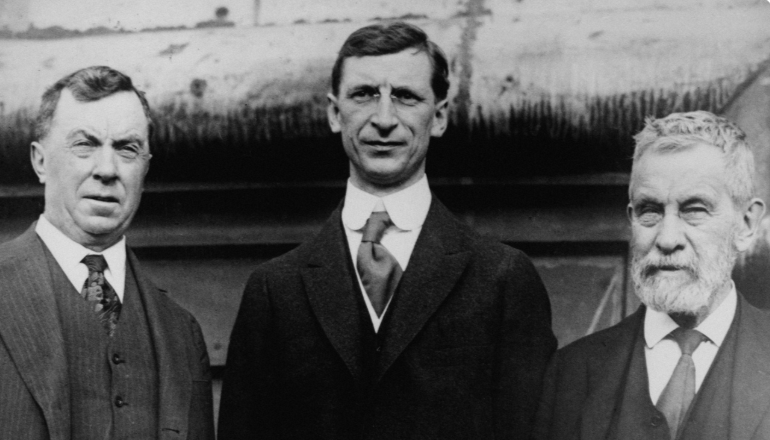
On 16 November 1920, Éamon de Valera addressed supporters in Washington, D.C., marking the decisive break with the established leadership of the Friends of Irish Freedom, dominated by figures such as John Devoy and Judge Daniel Cohalan. The rival American Association for the Recognition of the Irish Republic (AARIR) emerged from this split and supported de Valera’s demand for explicit American recognition of the Irish Republic.
The dispute divided organised Irish-American nationalism at a crucial moment in the War of Independence. The AARIR grew rapidly, with later estimates putting its membership at around 700,000, while the Friends of Irish Freedom declined sharply. De Valera nevertheless failed to secure formal recognition of the Irish Republic from the United States government.
1920 — Irish Labour Confronts the Railway Crisis
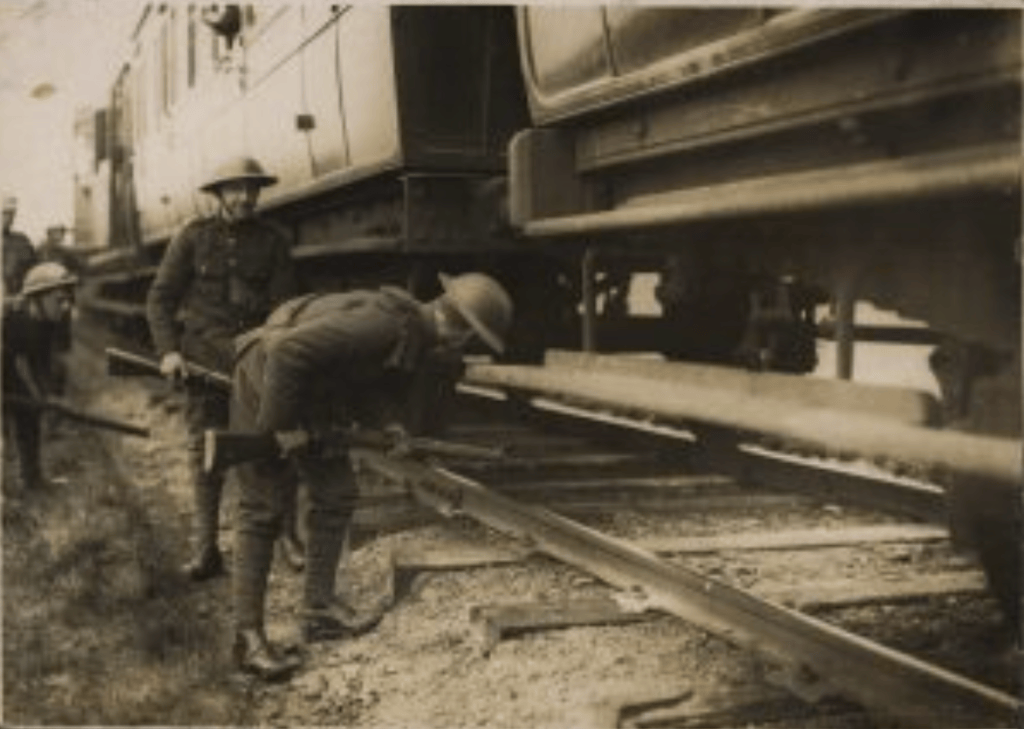
Also on 16 November 1920, the Irish Labour Party and Trade Union Congress held a special all-Ireland conference in Dublin to consider the increasingly serious consequences of the railwaymen’s refusal to transport British troops, weapons and military supplies.
The embargo had badly disrupted British military movement, but it was also damaging the wider economy and threatening food and fuel supplies. The conference praised the railwaymen and authorised the Labour executive to continue supporting them while taking whatever steps were necessary to protect workers and the civilian population. The strike continued for another month before railway workers eventually agreed to carry all traffic offered to them.
1921 — Britain Presents Its “Tentative Suggestions” for a Treaty
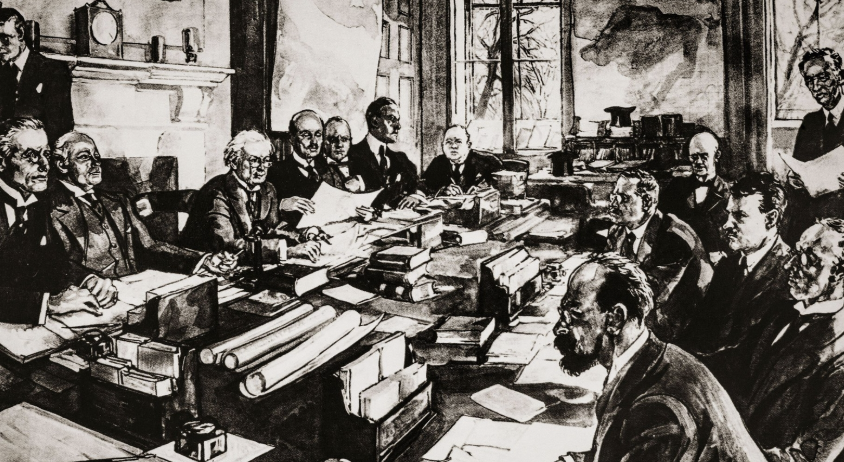
On 16 November 1921, British Cabinet Secretary Tom Jones presented Arthur Griffith with a document setting out what the British side called “tentative suggestions” for an Anglo-Irish settlement. The proposals offered Ireland a constitutional status closely modelled on Canada, while Northern Ireland would be permitted to remain outside the new state and a Boundary Commission would determine the border if it did so.
This was an important step towards the eventual Anglo-Irish Treaty, but it was not yet the final draft treaty. Griffith himself later stressed that distinction, writing on 18 November that the document consisted only of tentative suggestions. The most difficult questions — particularly the Crown, the Empire and Ulster — remained unresolved.
1922 — Bonar Law’s Cabinet Decides to Carry on with the Treaty
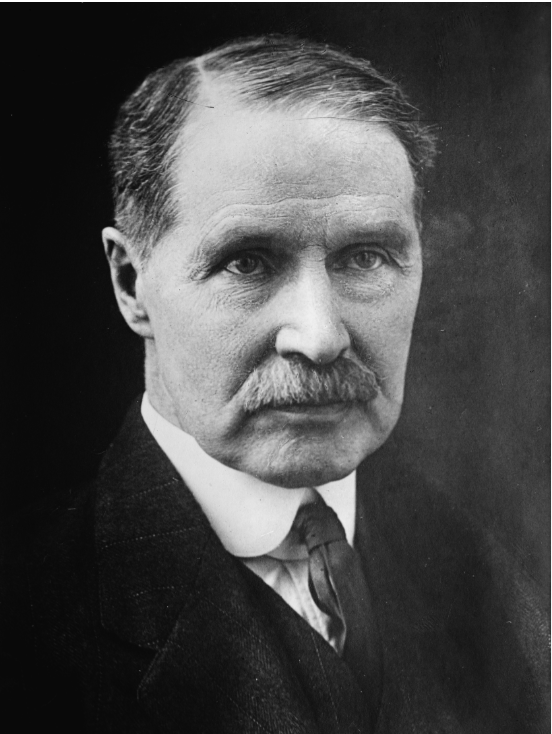
Bonar Law
On 16 November 1922, the new British cabinet led by Bonar Law discussed the Anglo-Irish Treaty and decided that it would continue implementing the settlement negotiated by Lloyd George’s government. Contemporary reconstruction records ministers as concluding that they had “no alternative” but to proceed with the Treaty.
On the same day, anti-Treaty intelligence officer Michael Carolan compiled a list of twelve men he believed belonged to a Free State “murder gang”, including former members of Michael Collins’s Squad and intelligence network. The document reflects the atmosphere of suspicion and retaliatory violence surrounding the Civil War in Dublin during late 1922.
1965 — Death of W. T. Cosgrave
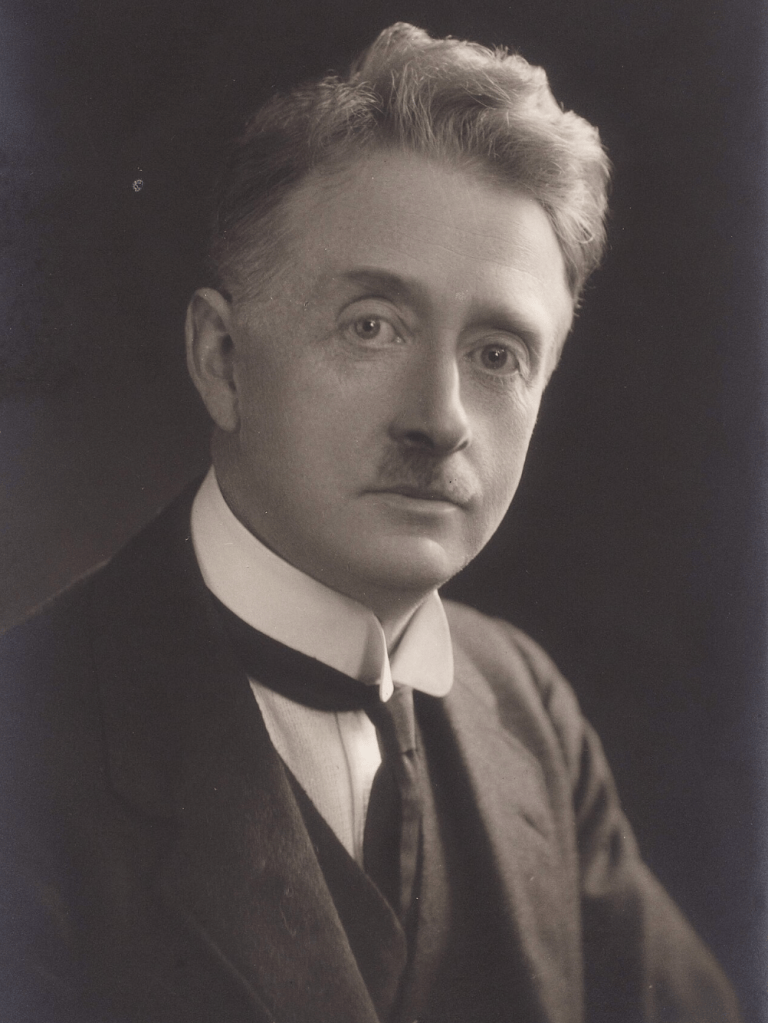
On 16 November 1965, William Thomas Cosgrave died in Dublin aged 85. A veteran of the Easter Rising, he became President of the Executive Council of the Irish Free State and led the government from 1922 until 1932, overseeing the establishment of many of the institutions of the new state.
Cosgrave received a state funeral on 18 November. Among those attending was President Éamon de Valera, his former Civil War opponent. Cosgrave was buried at Goldenbridge Cemetery. Taoiseach Seán Lemass later paid tribute to his role in establishing a stable democratic state and to the peaceful transfer of power after the 1932 general election.
Here is a clip in 1931 of William T Cosgrave speaking about a peace plea. Interesting to hear his voice.
References:
History Ireland (2015) ‘The Judge versus the Chief — Daniel Cohalan and the 1920 split within Irish America’. Available at: https://historyireland.com/the-judge-versus-the-chief-daniel-cohalan-and-the-1920-split-within-irish-america/ (Accessed: 15 November 2026).
RTÉ History (2020) ‘From friends to foes: De Valera and the Friends of Irish Freedom’. Available at: https://www.rte.ie/history/de-valera-in-america/2020/0220/1116516-from-friends-to-foes-de-valera-and-the-friends-of-irish-freedom/ (Accessed: 15 November 2026).
rish Congress of Trade Unions (2021) Labour, Gender and Class in the Struggle for Irish Independence, 1917–1923. Available at: https://www.ictu.ie/sites/default/files/publications/2021/labour_gender_and_class_in_the_struggle_for_irish_independence_1917_-_1923.pdf (Accessed: 15 November 2026).
RTÉ History (2020) ‘The 1920 Munitions Strike: “An unusual kind of strike”’. Available at: https://www.rte.ie/history/munitions-strike/2020/0415/1130693-the-1920-munitions-strike-an-unusual-kind-of-strike/ (Accessed: 15 November 2026).
Documents on Irish Foreign Policy (1921) ‘Tentative suggestions for a Treaty presented by Thomas Jones to Arthur Griffith, 16 November 1921’, Documents on Irish Foreign Policy, Vol. 1, document 197. Available at: https://www.difp.ie/volume-1/1921/anglo-irish-treaty/197/ (Accessed: 15 November 2026).
Documents on Irish Foreign Policy (1921) ‘Arthur Griffith to Eamon de Valera, 18 November 1921’, Documents on Irish Foreign Policy, Vol. 1, document 198. Available at: https://www.difp.ie/volume-1/1921/anglo-irish-treaty/198/ (Accessed: 15 November 2026).
Irish History 1919–1923 Chronology (n.d.) ‘November 1922’. Available at: https://irishhistory1919-1923chronology.ie/november_1922.htm (Accessed: 15 November 2026).


Leave a Reply