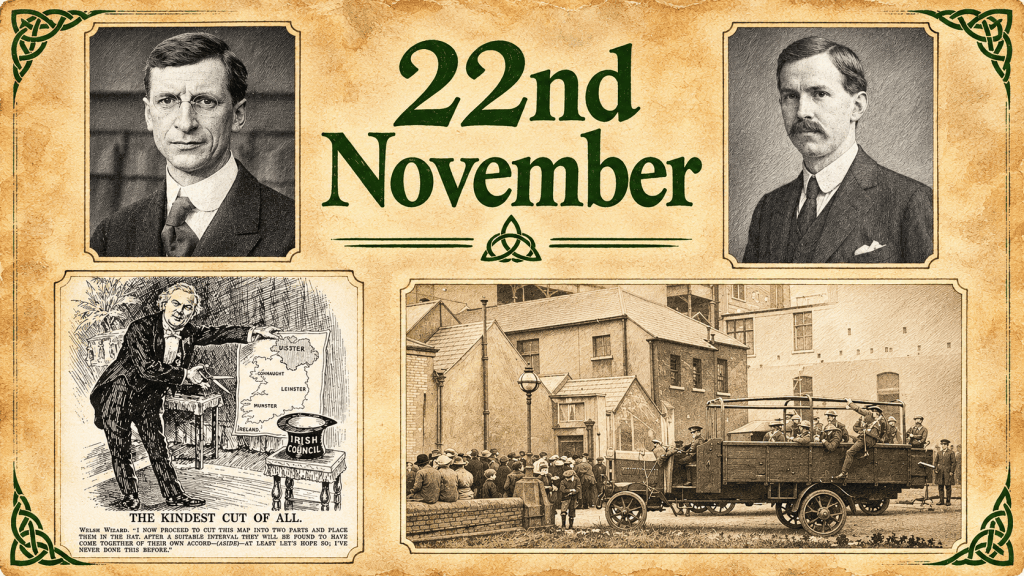
1920 — Dublin Curfew Tightened After Bloody Sunday
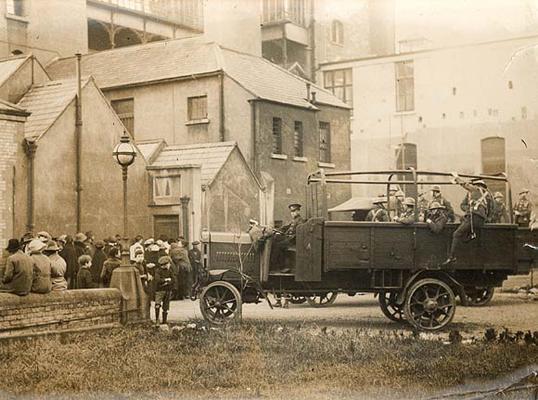
On 22 November 1920, the British authorities brought Dublin’s nightly curfew forward to 10 p.m. and extended it until 5 a.m., one day after the violence of Bloody Sunday. The measure formed part of an immediate tightening of security in the capital, alongside widespread arrests and efforts to disrupt the IRA’s command structure.
The government also authorised the arrest and internment of known IRA officers. Within days, hundreds of arrests were made across Ireland as British policy hardened in response to the escalating conflict.
1920 — Patrick Moylett Meets Lloyd George
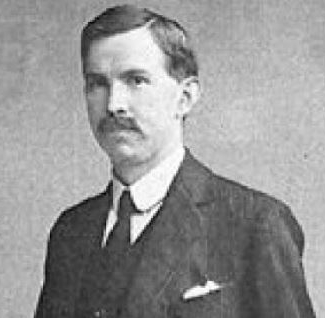
Also on 22 November 1920, Irish businessman and intermediary Patrick Moylett met Prime Minister David Lloyd George as part of a secret channel between the British government and Arthur Griffith.
The contact had begun before Bloody Sunday and was already exploring the possibility of a truce and direct negotiations. Despite the killings of the previous day, Lloyd George did not break off the discussions. Moylett later recalled him urging Griffith not to abandon the “slender thread” of communication that had been established.
Later accounts also attribute to Lloyd George the remark that the British intelligence officers killed in Dublin had effectively been beaten at their own game.
1921 — Law and Order Transfers to the Northern Ireland Government
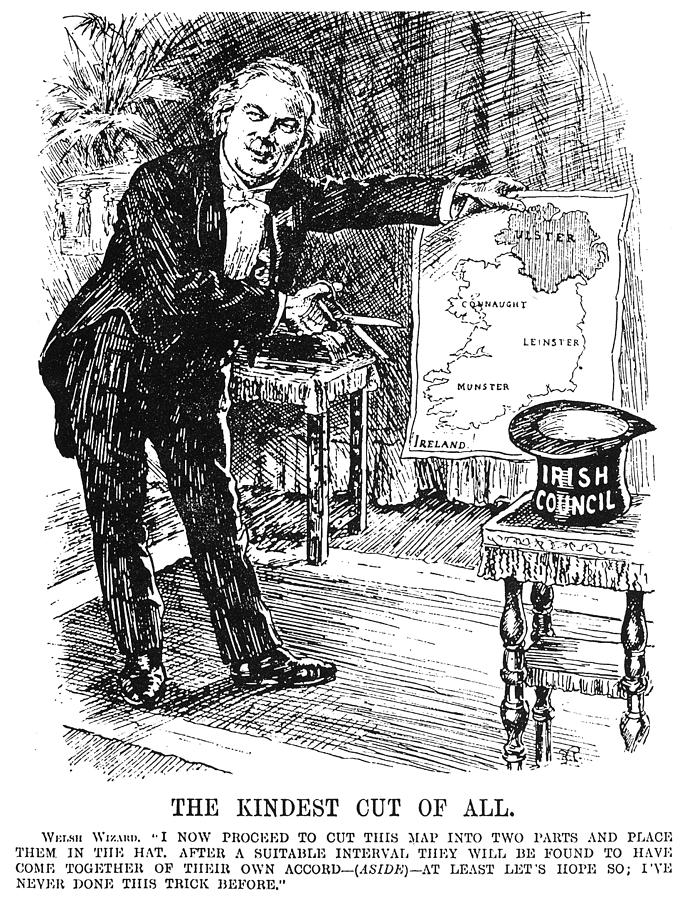
On 22 November 1921, responsibility for law and order and the administration of justice formally transferred from Westminster to the Government of Northern Ireland under arrangements made through Orders in Council implementing the Government of Ireland Act 1920.
The transfer gave the Northern Ireland administration direct responsibility for policing and security at a time of severe communal violence. The Ulster Special Constabulary, including the part-time B Specials, became central to the new state’s security system and was deeply distrusted by much of the Catholic population.
This was all happening while The Treaty negotiations were taking place.
1922 — De Valera Sets Out Republican Terms for Peace
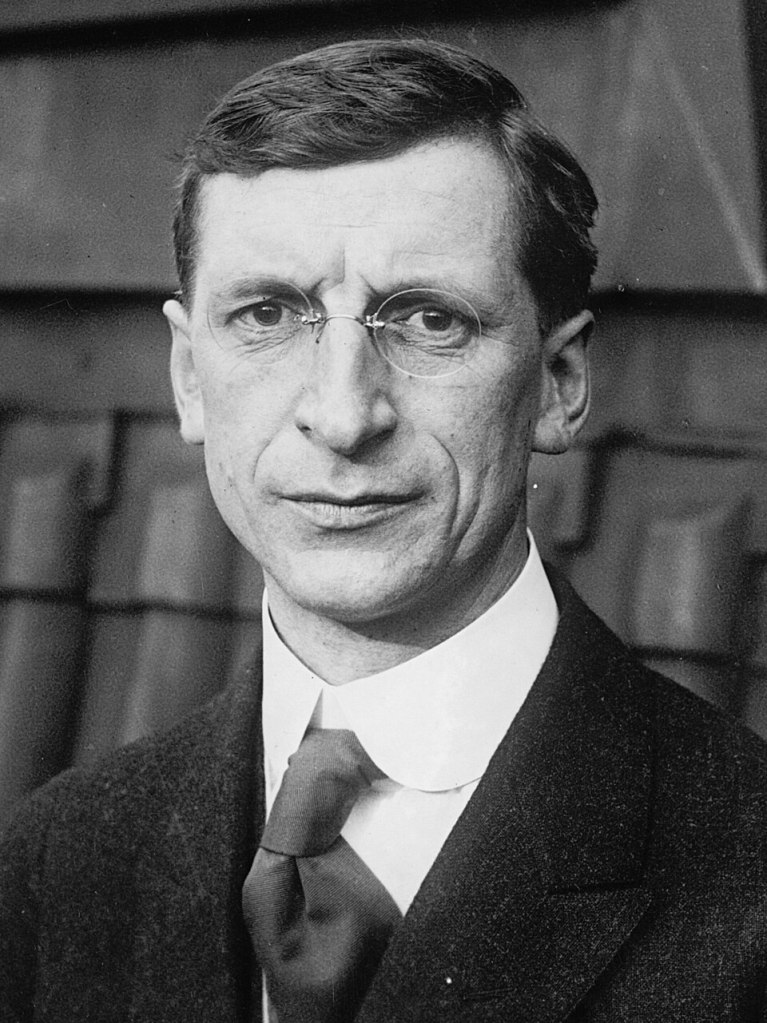
On 22 November 1922, Éamon de Valera wrote to P. O’Caoimh setting out what he regarded as the simplest basis for ending the Civil War.
He argued that peace depended upon securing for the Irish people the right to decide freely, without the threat of either internal or external war, how they wished to be governed and what political relationship, if any, they wished to have with Britain and the British Empire.
The letter restated one of de Valera’s central arguments throughout the revolutionary period: that Ireland’s constitutional position should ultimately rest upon an unrestricted act of national self-determination rather than upon a settlement imposed under threat of renewed war. Military men like Liam Lynch however were not listening to him.
References
RTÉ (2020) ‘December 1920: a major step in making Partition a reality’. Available at: https://www.rte.ie/news/analysis-and-comment/2020/1219/1185261-partition-1920/
RTÉ History (2020) ‘Martial Law: powers with “practically no limitation”’. Available at: https://www.rte.ie/history/martial-law/2020/0722/1154923-martial-law-powers-with-practically-no-limitation/
Irish History 1919–1923 Chronology (n.d.) ‘November 1920’. Available at: http://irishhistory1919-1923chronology.ie/november_1920.htm
House of Commons Library (2023) Parliament and Northern Ireland, 1921–2021. London: House of Commons Library. Available at: https://researchbriefings.files.parliament.uk/documents/CBP-8884/CBP-8884.pdf
Government of Ireland Act 1920. Available at: https://cain.ulster.ac.uk/issues/politics/docs/goi231220.htm
CAIN (n.d.) ‘Policing a Divided Society’. Available at: https://cain.ulster.ac.uk/csc/reports/police.htm
Irish History 1919–1923 Chronology (n.d.) ‘November 1921’. Available at: http://irishhistory1919-1923chronology.ie/november_1921.htm
Irish History 1919–1923 Chronology (n.d.) ‘November 1922’. Available at: http://irishhistory1919-1923chronology.ie/november_1922.htm
Documents on Irish Foreign Policy (1921) ‘Memorandum by the Irish Representatives, 22 November 1921’, Vol. 1, document 199. Available at: https://www.difp.ie/volume-1/1921/anglo-irish-treaty/199/
Documents on Irish Foreign Policy (1921) ‘Arthur Griffith to Eamon de Valera, 22 November 1921’, Vol. 1, document 200. Available at: https://www.difp.ie/volume-1/1921/arthur-griffith-to-eamon-de-valera-dublin/200/


Leave a Reply